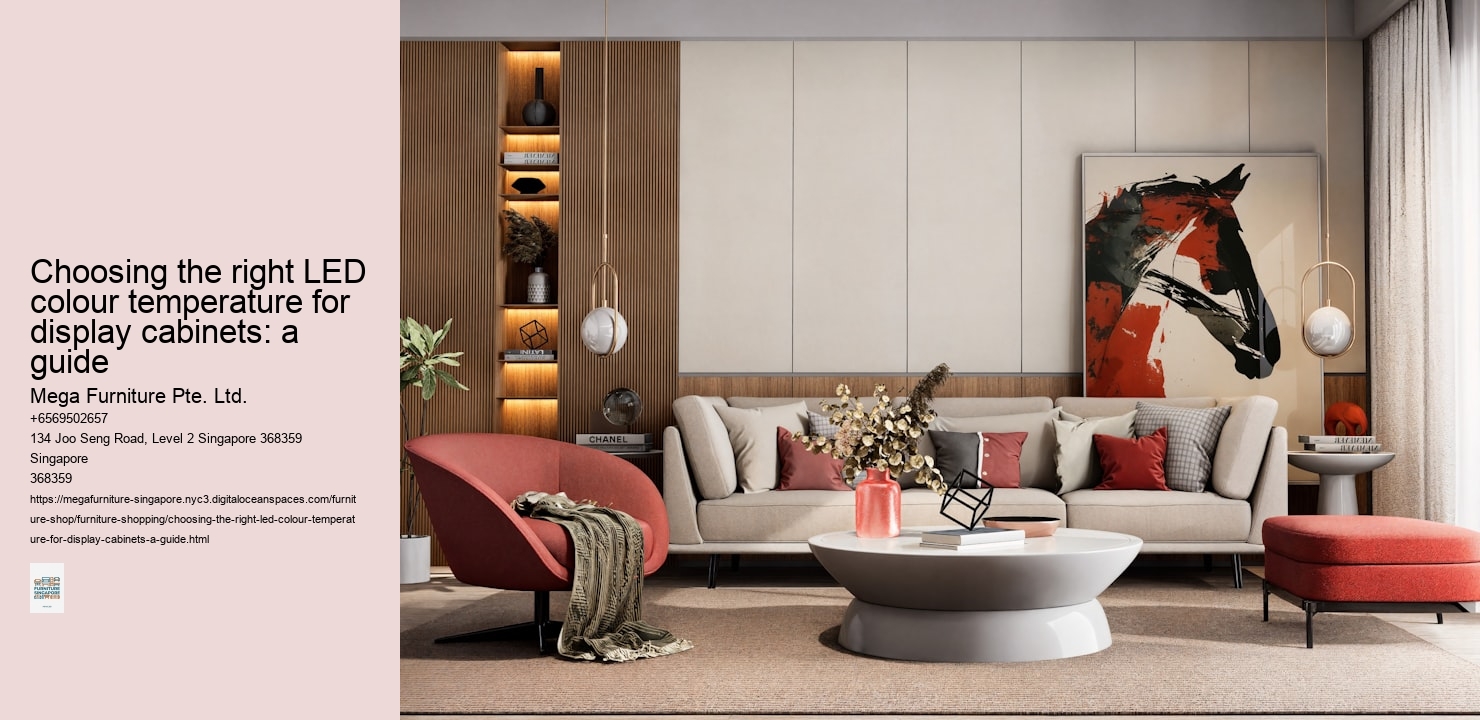
The 12 sqm display wall in a BTO flat demands precision — every centimetre counts when you’re wedging a cabinet between the main door swing and the aircon ledge. Most HDB owners opt for powder-coated steel frames here; they’re slim, won’t warp when the monsoon humidity hits 85%, and can handle the occasional elbow bump from passing family members. Teak might look richer in photos, but by year three, you’ll notice the cabinet doors sticking every August — that’s when the wood fibres swell just enough to throw the alignment off.
Landed properties have the luxury of alcoves. These recessed spaces — common in pre-war shophouses and newer Good Class Bungalows — let you go deeper with display cabinets, sometimes up to 60cm without eating into walkways. Humidity’s still a factor, but the thermal mass of thick walls buffers temperature swings; teak stands a better chance here, though it’ll need quarterly waxing. A display cabinet sits in the awkward middle ground between bookshelf and storage cabinet — closed glass-front protection for the items you want visible but not collecting dust. Megafurniture's Display Cabinet range covers glass-front, curio, wall-mounted, freestanding, and smart-cabinet variants in solid wood, MDF, and metal-framed constructions. Average pricing for glass-front variants sits around $271, with LED-lit and motorised-shelf models commanding the higher tier.. The real advantage is lighting: alcoves allow for recessed LED strips at the crown, eliminating the glare you’d get from ceiling spots in an HDB’s low 2.6m clearance.
Powder-coated steel dominates HDB projects not just for practicality, but because BTO walls can’t always bear the weight of solid wood cabinets loaded with ceramicware. A typical 180cm steel unit weighs under 40kg empty; the same in teak pushes 70kg before you’ve added your grandmother’s Nonya porcelain. That said, landed homeowners often choose heft deliberately — a substantial cabinet anchors the space, and the floor slabs can take it.
The irony? Those in landed properties frequently install modular steel cabinets anyway. They’re easier to reconfigure when the collection outgrows its space — something that happens faster when you’ve got room to expand. HDB dwellers, meanwhile, spend months planning a single built-in that’ll serve for a decade. Both approaches work; they just demand different compromises.
The difference between 2700K and 4000K lighting isn’t just technical—it’s emotional. Warm gold tones at 2700K make heirloom silverware glow like it did in your grandmother’s black-and-white photos, while 4000K’s crisp neutrality turns modern collectibles into museum pieces. Most display cabinets get this wrong by default; builders slap in whatever LED strip was cheapest that month, leaving porcelain figurines looking either jaundiced or forensic. Measure twice, buy once. A 60cm-deep cabinet in a windowless corridor needs at least 500 lux at eye level—that’s two 6W LED strips spaced 30cm apart if you’re using diffused lighting. Go warmer (2700K–3000K) for vintage ceramics with creamy glazes; cooler (3500K–4000K) for mid-century glassware where you want to catch every bubble and flaw. Colour temperature alters perception of space. A curio cabinet lit at 2700K makes a 4-room BTO living room feel cosier, like the wood tones are wrapping around the displays. But in a landed property’s double-volume hallway, 4000K lighting prevents the cabinet from looking like a relic in a cavern. Pro tip: test with smart bulbs before committing—Philips Hue’s 2700K–4000K range fits most standard fixtures. Some collectors swear by mixing temperatures—warm overheads with cool spotlights to make jade carvings pop against teak shelves. It’s fussy, but then so is keeping dust off a hundred Hummel figurines. Just avoid anything above 4000K unless you’re displaying dental equipment or vintage sci-fi models.
Glass-fronted cabinetsshow lighting choices at their best—or worst. That slight blue cast from cheap LEDs? It’ll turn your famille rose vases into something that belongs in a fish tank.
Megafurniture's Joo Seng showroom lets buyers toggle between 3000K and 5000K LED strips on actual rosewood display cabinets — a rare chance to see how warm amber tones flatter heirloom china versus crisp daylight effects on crystal. Most homeowners only realise their lighting mistake after installation, when grandma's jade collection looks either jaundiced or sterile under fixed bulbs. Here, you'll spot how 3000K softens mahogany grain while 5000K sharpens cut-glass edges, with staff demonstrating optimal placement for shadow reduction across shelving tiers. It's the difference between guessing from swatches and watching your own Lladró figurines cast the right shadows at both breakfast and cocktail hour light temperatures.
Display cabinets look different under LEDs when surrounded by actual living room materials — something online renders never capture. Megafurniture stages units against walnut flooring and cream walls so you'll see how 4000K lighting interacts with common HDB finishes. That teak sideboard you inherited? Check if its carvings flatten under cool tones before committing. They've even accounted for Singapore's harsh afternoon sun bleeding through balcony doors — a detail that makes showroom testing more accurate than any spec sheet.
At 180cm tall, most display cabinets leave upper shelves in shadow unless lit properly. The showroom proves why top-mounted LEDs often fail — they create glare spots on glass while leaving the bottom third dim. Instead, they demo side-mounted strips at 30cm intervals, which evenly illuminate collectibles without hotspots. For families displaying anything below waist height (think vintage toy collections or whisky decanters), this prevents the common "museum basement" effect where lower items vanish.
Not all tempered glass reacts the same way to LED colour temperatures — a fact that becomes obvious when comparing three display units side-by-side. Green-tinted antique glass warms excessively under 2700K, while modern low-iron panels turn clinical above 4000K. The showroom's live demos reveal why some homeowners end up with displays that look either like a medical lab or a sepia photograph, despite buying "neutral" bulbs. Pro tip: watch how lighting affects glass seams and bevels, not just the items inside.
Few consider how dimmable LEDs behave at partial brightness until their Ming vase looks muddy at 50%. Megafurniture's test switches let you drag sliders to see how 3500K at 30% compares to 2700K at 80% — crucial for living rooms doubling as evening entertainment spaces. That Lalique bowl might need 4000K by day but 3000K after sunset to keep its details visible without glare. Unlike static showroom lighting, these adjustable setups mimic real multi-use spaces where display cabinets aren't just daytime showpieces.
The Pasir Ris condo owner thought they'd done everything right — solid teak frame, museum-grade glass shelves, even a dehumidifier running twice a week. What they missed was the UV film on the display cabinet's glass doors; within 18 months, their grandmother's Peranakan porcelain had faded to a dull beige, while humidity still managed to corrode the LED strip wiring behind the back panel.
The electrical components suffer most. That $12 AliExpress LED kit might look bright enough at first, but tropical moisture turns copper contacts green within months — proper IP65-rated lighting runs $80 to $120, though it's the difference between rewiring annually or forgetting about it for a decade. Open-backed cabinets fare slightly better in airflow, but then you're dusting weekly; sealed units need silica gel packs tucked behind the baseboard, replaced every quarter.
Some opt for battery-powered LEDs to avoid wiring altogether, but that's its own headache. The Duracells in a typical setup last three months tops, and leaking AA batteries have ruined more than one rosewood veneer. Hardwiring with a proper transformer isn't just neater — it's cheaper long-term, provided you use marine-grade silicone on all the connections.
Cool white lighting, ranging from 4000K to 4500K, offers a crisp and modern aesthetic for display cabinets. It highlights the details of glass, metal, and minimalist designs, providing a clean and fresh look. This temperature is excellent for contemporary or industrial-themed displays, where clarity and precision are key. It ensures items appear sharp and well-defined under its bright illumination.
Adjustable lighting systems allow you to switch between different color temperatures to suit various displays and moods. They offer flexibility for showcasing seasonal items, changing decor, or experimenting with different lighting effects. This option ensures your display cabinet remains adaptable to evolving needs and preferences. It’s a practical solution for those who want to customize lighting without permanent changes.
Singapore's climate plays havoc with display cabinets in ways buyers rarely anticipate. Glass without UV filtering might as well be a magnifying glass for collectibles — that "museum glass" premium pays for itself when your Limoges saucers still have their cobalt detailing after five years. Meanwhile, 80% humidity creeps into every joint; even in air-conditioned rooms, morning condensation pools around metal fittings and cheap MDF bases swell like sponges.
Older homeowners tend to underestimate how much heat modern LEDs emit, too. A 3000K strip running six hours daily can hit 60°C against the cabinet's top panel — fine for solid wood, but laminate starts delaminating at the edges after two years. Glass shelves should have at least 5mm clearance from any lighting element; anything closer risks thermal stress cracks during our sudden downpours, when room temps swing 8°C in an hour.
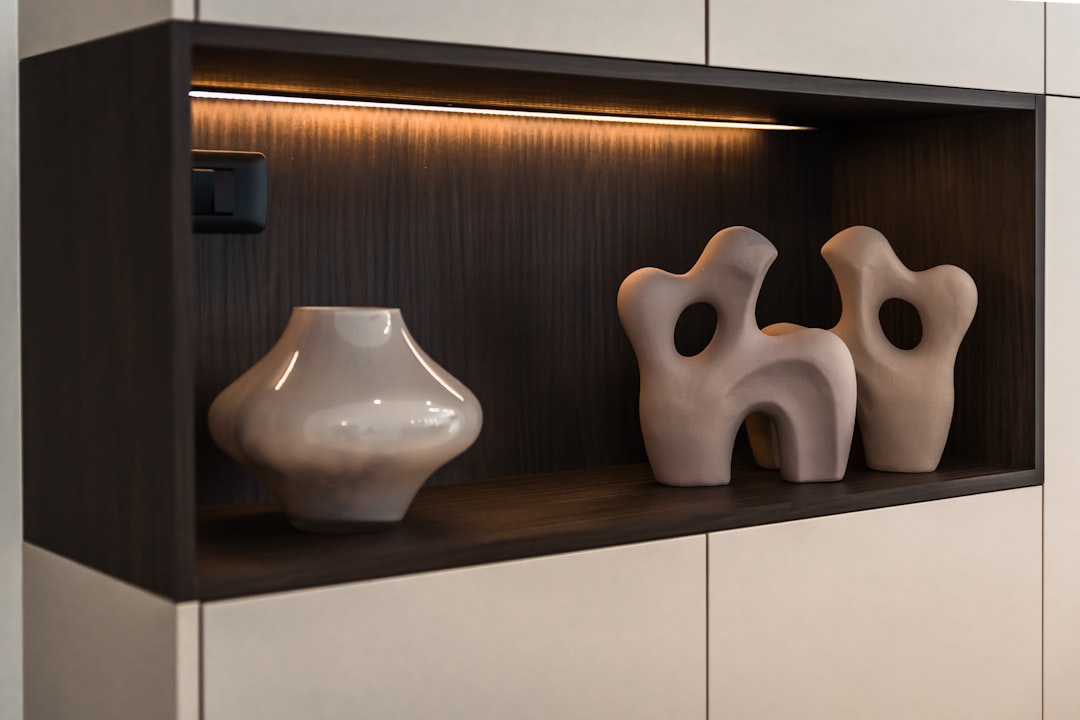
Warm white lighting, typically around 2700K to 3000K, creates a cozy and inviting atmosphere in display cabinets. It enhances the natural tones of wood, ceramics, and warm-colored items, making them appear more vibrant. This temperature is ideal for showcasing antiques or rustic decor, as it adds a timeless charm. It’s perfect for spaces where a soft, welcoming glow is desired.
Neutral white lighting, around 3500K, strikes a balance between warm and cool tones, offering versatility for display cabinets. It provides a natural and balanced light that complements a wide range of items, from artwork to collectibles. This temperature is ideal for spaces where flexibility is needed, as it doesn’t overpower or distort colors. It’s a great choice for mixed-material displays that require a neutral backdrop.
The LED driver warranty fine print matters more than most buyers realise—especially in Singapore’s humidity. One-year warranties often cover manufacturing defects but leave you exposed when salt-laden sea air corrodes connections after 18 months. Three-year coverage typically includes environmental damage, crucial for east coast landed properties where display cabinets sit near open windows. Megafurniture’s moisture-resistant certification matters here. Their drivers undergo 1,000-hour salt spray testing—a step most budget imports skip. That certification isn’t just marketing fluff; it’s the difference between a flickering LED strip during next year’s monsoon and steady illumination for your Limoges collection. Compare clauses on "normal use." One-year plans often void coverage if humidity exceeds 80%—a laughable threshold in our climate. Three-year warranties from certified suppliers usually account for tropical conditions, with explicit coverage up to 95% RH. The cost difference? About 8–12% of the driver’s price. For a display cabinet’s lighting system, that’s $15–$30 extra. Skip two kopi pengs this month and buy the longer warranty—your future self won’t be dismantling the cabinet to replace corroded drivers during Chinese New Year cleaning.
Their Joo Seng showroomlets you inspect the certification labels firsthand. Bring a magnifier; the print’s smaller than the nutrition facts on a kaya toast packet.
Will 4000K clash with my warm white ceiling lights?
Not if you’re deliberate about placement. Warm white ceiling lights (typically 2700K–3000K) create a cosy glow, while 4000K LED strips in a display cabinet offer crisp, neutral illumination — the contrast actually helps collections stand out. Keep the cabinet lighting brighter than ambient light (aim for at least 500 lumens per sqm inside the cabinet), and the cooler tone won’t feel jarring. Most homeowners in landed properties with high ceilings find this layering works; it’s the dim, mismatched strips that clash.
How many LED strips for a 180cm cabinet?
Two 60cm strips spaced 60cm apart usually suffice for even lighting in standard 35cm-deep cabinets. For glassware or crystal, add a third strip at the back to eliminate shadows — that’s around 1,200 lumens total, assuming 400-lumen strips. Deeper cabinets (45cm+) might need vertical side lighting too. The trick is avoiding hotspots: if you can see individual LED dots when standing 1m back, space them wider or diffuse with frosted channels.
Older collectors often overlight, thinking more strips mean better display. What actually matters is angle and diffusion — a single well-placed strip with a 45-degree aluminium channel often outperforms three bare strips slapped under a shelf. Glass shelves complicate things; they reflect light downward, so bottom lighting alone leaves upper shelves dim. Test with temporary tape before committing to positions.
For heirloom displays, consistency matters more than raw brightness. A 180cm china cabinet lit by 4000K strips should match adjacent display units — nothing looks odder than a cool-white cabinet next to a warm-lit bookshelf. If your room has amber wall sconces or vintage bulbs, consider 3500K strips as a compromise.
Before measuring your display cabinet’s nook, clear the space of that temporary shoe rack and Lunar New Year decorations still piled in the corner — what looks like 5cm of wiggle room disappears fast when you account for skirting boards. Bring the cabinet’s exact dimensions (including protruding handles) written on paper, not just saved in your phone; older landed properties often have uneven walls where a 120cm gap might taper to 118cm near the ceiling.
Use your smartphone’s light meter app to check lux levels at noon and 7pm — display cabinets in pre-2000s terrace houses often sit in dark corners where existing bulbs cast shadows across glass shelves. Note any outlets within 2m; LED strip lights for glass cabinets typically draw 12–24V, but older wiring in Joo Chiat or Serangoon Gardens bungalows might need a voltage stabilizer if the circuit shares space with aircon units.
Measure twice for depth if you’re eyeing a cabinet with lighting built into the frame — what fits flush against the wall in a Tampines showroom might stick out awkwardly in your Tiong Bahru pre-war flat’s alcove. Check door swing clearance against your existing side tables; 90-degree hinges need 50cm minimum, while sliding glass doors require 10cm extra depth for the track.
Keep the tape measure parallel to the floor — sloping tiles in many 1980s maisonettes mean the height at the cabinet’s left side could be 2cm shorter than the right. Snap photos of the space with a ruler or A4 paper for scale, especially if you’re debating between Megafurniture’s 150cm and 180cm display units; their Joo Seng showroom staff can overlay the images with CAD mockups.